Lindas Diet Delites Low Carb Biscuits

Lindas Diet Delites Low Carb Biscuits

Skip to content
CARB EXCHANGE CAPE CORAL

THE CARB EXCHANGE CAPE CORAL

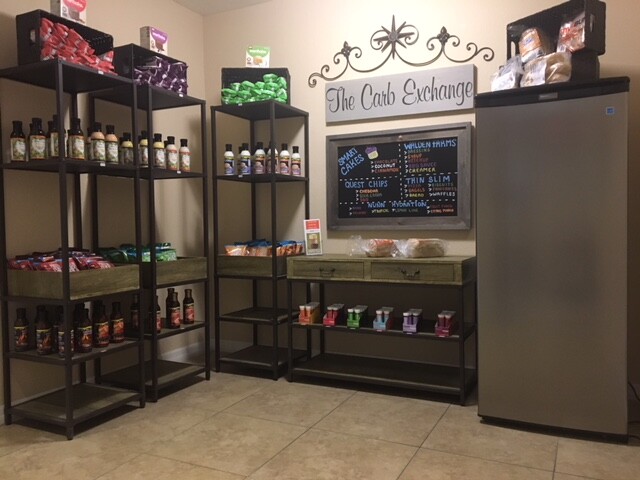
Dr. Taylor's Cape Coral office offers a variety of delicious, health-conscious goods.

The Carb Exchange Cape Coral

Dr. Taylor, a board-certified doctor in Cape Coral, understands that dieting can be difficult because of bland food, but her office is now offering a variety of condiments and foods that make dieting delicious!

Dr. Terese Taylor M.D. - Cape Coral and Pompano Beach Doctor - The Carb Exchange

Walden Farms
Condiments and more with no calories, fat, carbs, gluten or sugars of any kind.

  • Maple walnut pancake syrup
  • Marshmellow dip
  • French onion dip
  • Ranch dip
  • Pancake syrup
  • Zesty Italian dressing
  • Asian dressing
  • Caesar dressing
  • Creamy bacon dressing
  • Balsamic vinaigrette
  • Honey Dijon dressing
  • Russian dressing
  • 1000 island dressing
  • Sesame ginger dressing
  • Sweet onion dressing
  • Coffee creamer – hazelnut & sweet cream
  • Ketchup
  • Chipotle mayo
  • Amazon mayo
  • Peanut spread
  • Tomato & basil pasta sauce
  • BBQ sauce
  • Raspberry fruit spread
  • Apple butter
  • Caramel dip

Smart Baking Company
Amazingly healthy, absolutely delicious and nutrient dense "fun food" that is NON-GMO. These delicious prod­ucts are gluten, starch and sugar free.

  • Beyond gluten free.
  • Sesame smart bun
  • Plain smart bun
  • Coconut smart cake
  • Tangerine smart cake
  • Chocolate smart cake
  • Cinnamon smart cake

Nuun & Co.
Nuun is the perfect way to upgrade your sports drink for your active lifestyle or anytime for daily wellness and hydration.

Nuun Hydration

  • Electrolytes
  • Vitamins

Thin Slim Foods
The secret to making ThinSlim Foods products is using ingenious ingredients that are only of the highest quality.

  • Bagels
  • Biscuits
  • Pancakes
  • Waffles
  • Bread
  • Pizza crust
  • Pizza
  • Bagel chips
  • Granola clusters – coconut crunch & maple crunch

Muscle Foods
Muscle Foods USA is a nationwide wholesale distributor of sports nutrition and health products.

  • Quest Protein Crisps: cheddar and sour cream,  sea salt,  zesty nacho

Skinny Crisps
Skinny Crisps are nutritious and satisfying crackers that combine great taste with gluten-free ingredients and contain approximately 1 net carbohydrate per cracker.

  • Brownie crisps
  • Say cheese
  • Shebang
  • Toasty onion
  • Plain jane
  • Cinnamon

Health Smart Foods
Products that work with diets such as Low Fat, Low Calorie, Low Carb, Low Glycemic, Weight Watchers, Calorie Counting, Atkins, South Beach, Zone, Sugar Busters, 40/30/30, Glycemic Revolution, F Factor and people with diabetes.

  • Choco Rite chocolate pecan cluster
  • Choco rite crispy caramel
  • Choco rite dark chocolate crunch
  • Choco rite peanut butter patties

Linda's Diet Delites
Linda's Diet Delites give you access foods that maintain variety, create a fat burning environment, and lead to a sustained healthy lifestyle.

  • Pancakes
  • Biscuits
  • waffles

To schedule a consultation or to learn more , please call 239-540-9918 or fill out the form below.

If you or someone you know is interested in learning more about Dr. Taylor's Carb Exchange products, call Dr. Taylor's office at 239-540-9918.

Page load link

Lindas Diet Delites Low Carb Biscuits

Source: https://drteresetaylor.com/carb-exchange-cape-coral-fort-myers/

Share:

Healthy Foods For Low Carb Diet

Healthy Foods For Low Carb Diet

Savefor later Page saved! You can go back to this later in your Diabetes and Me Close

Low-carb diet and meal plan

Eating a low-carb diet means cutting down on the amount of carbohydrates (carbs) you eat to less than 130g a day. But low-carb eating shouldn't be no-carb eating.

Some carbohydrate foods contain essential vitamins, minerals and fibre, which form an important part of a healthy diet.

Here we'll explain what we mean by low-carb, what the benefits are of low-carb eating when you have diabetes, and share a low-carb meal plan to help you get started if this is the diet for you. We'll also explain how to get support to manage any potential risks, especially if you manage your diabetes with medications which put you at risk of hypos.

If you or someone you know is self-isolating, find out how to eat healthily whilst staying at home.

What's a low-carb diet?

But how low is low-carb? There are different types of low-carb diets. Generally, low-carb eating is when you reduce the total amount of carbs you consume in a day to less than 130g.

To put this into context, a medium-sized slice of bread is about 15 to 20g of carbs, which is about the same as a regular apple. On the other hand, a large jacket potato could have as much as 90g of carbs, as does one litre of orange juice.

A low-carb diet isn't for everyone. The evidence shows they can be safe and effective in helping people with type 2 diabetes manage their weight, blood glucose (sugar) levels and risk of heart disease in the short term.

But the evidence also shows they can affect growth in children, and so should not be recommended for them. And there is little evidence to show the benefits of this type of diet in people with type 1.

If you do decide to follow a low-carb diet, it's important to know all the potential benefits and how to manage any potential risks.

Low-carb meal plan

Our low-carb meal plan aims to help you maintain a healthy balance while reducing the amount of carbs you eat. Varying amounts of carbohydrate are shown each day to help you choose which works best for you.

It's nutritionally balanced, we've counted the calories for you, and it contains at least five portions of fruit and veg per day.

We've included the values of fibre and protein too to help you make sure you are meeting your nutritional requirements. We know lots of people in the UK aren't eating enough fibre, so it's important to try and include good sources in your diet every day.

Please note that the nutritional information and exact specifications for all meals and snacks is available in the linked recipes and the low carb meal plan (PDF 84KB).

low-carb diet

Before you begin this meal plan

Before starting any healthy eating programme, please read how to choose your meal plan to make sure you follow the plan that's right for you.

Please speak to your diabetes health care team before making significant changes to your diet.

This is especially important if you treat your condition with insulin and diabetes medications that increase the risk of hypos (low blood sugar levels). Reducing your carbohydrate intake and changes to your body weight may mean your insulin and diabetes medication needs to be adjusted.

Important points about this meal plan

  1. This meal plan has taken nutritional information from our recipes and the sixth edition of Carbs and Cals, unless otherwise stated.
  2. A mix of whole milk and semi-skimmed milk has been used, but please use whichever you prefer. Any dairy alternative should be unsweetened and fortified with calcium.
  3. These meal plans meet your recommended amount of fibre across the week.
  4. This meal plan outlines daily food intake for one person, but it's still important to remember to drink regular fluids. This includes plain water, plain milk, and tea or coffee without added sugar.

Disclaimer: every effort has been taken to make these meal plans as accurate as possible, but there will be some variation in nutritional values. Speak to a dietitian or your diabetes healthcare team if you have questions about your individual dietary needs.

Monday

Breakfast: Baked eggs with two slices of rye bread

Lunch: Chilli bean soup with avocado salsa

Dinner: Mackerel tomatoes served with leeks and broccoli

Pudding: Apple strudel

Snacks: Greek yogurt, two satsumas, plain almonds, one apple

Milk: 225ml semi-skimmed milk

Tuesday

Breakfast: Porridge made with 30g porridge oats, 200ml almond milk, 40g blueberries and 10g pumpkin seeds

Lunch: Bang bang chicken salad

Dinner: Minced beef and vegetable filo pie

Pudding: 80g strawberries

Snacks: Avocado, brazil nuts, celery and peanut butter

Milk: 225ml semi-skimmed milk

Wednesday

Breakfast: Mushroom and spring onion omelette

Lunch: Butterbean paté with carrots, tomatoes and mini wholemeal pitta bread

Dinner: Aubergine and courgette parmesan bake with rocket, tomato and tinned kidney beans

Pudding: 80g melon

Snacks: One apple and peanut butter, one pear with almonds, natural yogurt and pumpkin seeds

Milk: 225ml semi-skimmed milk

Thursday

Breakfast: Summerberry smoothie

Lunch: Chickpea and tuna salad

Dinner: Chicken tikka masala and cauliflower pilaf

Pudding: Summer berry posset

Snacks: Greek yogurt, two satsumas, one orange, almonds, two oatcakes topped with smooth peanut butter

Milk: 225ml semi-skimmed milk

Friday

Breakfast: Baked eggs with two slices of rye bread

Lunch: Two slices of medium wholemeal bread with grated cheddar, vegetable oil-based spread, tomato and cucumber

Dinner: Grilled salmon steak with baked sweet potato, broccoli and cabbage

Pudding: Sugar-free jelly

Snacks: raspberries, melon, avocado, plain almonds

Milk: 225ml semi-skimmed milk

Saturday

Breakfast: Welsh leek rarebit

Lunch: Cauliflower and leek soup with 25g cheddar

Dinner: Butternut squash and borlotti bean stew

Pudding: Tinned peaches in juice

Snacks: One apple, 30g almonds, Greek yogurt, small pear and almonds, 60g pistachios with shells

Milk: 225ml semi-skimmed milk

Sunday

Breakfast: Omelette made with two eggs and milk along with 80g spinach, 80g mushrooms, 1tsp of vegetable oil, 25g grated cheddar. Pair with a slice of rye bread with 1tsp of unsaturated margarine

Lunch: Smoked mackerel on granary toast with 1sp of veg spread, rocket, tomato and cucumber.

Dinner: Greek homestyle chicken with broccoli and leeks

Pudding: 80g raspberries and 80g melon

Snacks: Low-fat Greek yogurt with almonds and pumpkin seeds, spicy roasted chickpeas, one small pear

Milk: 225ml semi-skimmed milk

Benefits of following a low-carb diet

One of the main benefits of following a low-carb diet is weight loss. For people with type 2 diabetes, this helps to reduce HbA1c and blood fats such as triglycerides and cholesterol. For people who don't have diabetes, losing weight can reduce your risk of developing type 2 diabetes, and a low-carb diet is one option to help you do this.

For people with type 1 diabetes

If you have type 1, the strongest evidence suggests that carb counting is the best way to manage your blood sugar levels. This means matching how much insulin you take to the amount of carbs in your meal, snack or drink.

There is no strong evidence that following a low-carb diet is safe or beneficial, which is why we don't recommend this diet for people with type 1 diabetes.

It is really important that you speak to your healthcare team for support to manage your insulin if you're considering a low-carb diet.

For people with type 2 diabetes

We know losing 15kg within three to five months will give people with type 2 the best chance of putting their diabetes into remission. Evidence tells us this is more likely if you are able to lose weight within 6 years of your diagnosis.

Finding a way to lose weight can also help you improve the way you manage your condition and reduce your risk of diabetes complications. There are different ways to lose weight, such as a low-carb diet - but there's no one-size-fits-all approach.

Find out more about weight loss and diabetes.

"I changed to a high-fat, low-carb diet and cut out sweet stuff altogether. Diabetes UK's website and an app for my phone really helped.

I lost around 12lbs (5.5kg) in my first week. When I returned to see the nurse after three months, my HbA1c was down to 42mmol/mol – it had been 51mmol/mol when I was diagnosed. The nurse thought she was seeing things.

I've now lost around seven-and-a-half stone (46.8kg) and my HbA1c level is 37mmol/mol."

- Paul's type 2 diabetes is now in remission.

However, there's no evidence that following a low-carb diet is any more beneficial in managing diabetes than other approaches in the long term, including a healthy, balanced diet.

Research suggests that the best type of diet is one that you can maintain in the long term, so it's important to talk to your healthcare professional about what you think will work for you. Another option is the Mediterranean diet, which is also linked to reducing the risk of heart diseases and stroke.

What to consider before following a low-carb diet

If you treat your diabetes with insulin or any other diabetes medication that puts you at risk of hypos, following a low-carb diet may increase this risk. Speak to your healthcare team about this so they can help you adjust your medications to reduce your risk of hypos. Your team may also support you to check your blood sugar levels more often.

"I make sure I balance out my diet with what suits my insulin, but with a bit of tweaking, most things can be persuaded to suit my insulin!

I won't eat a load of pasta with a side of garlic bread and not much else, because the carb load would be difficult to bolus for. But neither would I eat a completely carb free meal. It's all a question of balance, and a healthy diet is good for all of us, diabetic or not."

- Online forum user living with type 1.

Depending on the approach, following a low-carb diet may also lead to other side effects, such as constipation or bad breath.

Although these can be unpleasant, they are usually temporary and shouldn't be harmful in the long term. Speak to your healthcare professional if you're concerned about any of these.

It's really important to first reduce your carb intake from unhealthy sources such as sugary drinks, pizzas, cakes, biscuits, chips, white bread, fruit juices and smoothies.

And it is a good idea to get your limited carbs from healthy high-fibre carb foods, such as pulses, nuts, vegetables, whole fruits and whole grains. You can help make sure you're getting the calcium you need by including unsweetened milk and yoghurt in your diet too.

Back to top

Healthy Foods For Low Carb Diet

Source: https://www.diabetes.org.uk/guide-to-diabetes/enjoy-food/eating-with-diabetes/meal-plans/low-carb

Share:

Can You Drink Skim Milk On A Low Carb Diet

Can You Drink Skim Milk On A Low Carb Diet

Is dairy milk keto?

Short answer, no. The dairy milk you buy from supermarkets is usually quite high in naturally occurring sugars. This type of sugar can be particularly difficult to digest for some people. Making it bad for a keto diet, even though the carb count per 100ml is not extortionate. However, don't fret, there are keto 'milk' alternatives. More about those later!

In the UK, milk usually comes in three main varieties:

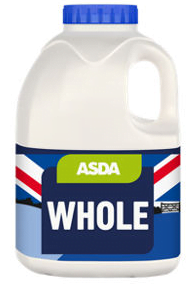
Whole milk

whole milk

Milk with a minimum fat content of 3.5g per 100g.

  • Energy: 66kcal
  • Fat: 3.7g
  • Carbohydrate: 4.7g
  • Protein: 3.5g
  • Salt: 0.11g

Semi-skimmed milk

Milk with a fat content between 1.5 and 1.8g per 100g.

Nutrition per 100g:

  • Energy: 50kcal
  • Fat: 1.8g
  • Carbohydrate: 4.8g
  • Protein: 3.6g
  • Salt: 0.11g

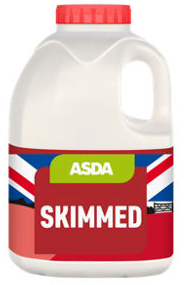
Skimmed milk

skimmed milk

Milk with a fat content of less than 0.3g per 100g.

  • Energy: 37kcal
  • Fat: <0.5g
  • Carbohydrate: 5.0g
  • Protein: 3.6g
  • Salt: 0.11g

Other varieties

There are also other varieties of milk like lactose free and Jersey milk. Both are not good for keto as they still contain to many carbs:

Lactose free milk – a drink made from dairy milk that has been filtered to remove lactose. lactase is then added. It contains the same sugar content as normal milk.

Jersey milk – milk with cream mixed through to give it a nice thick creamy taste. However, it still contains about the same amount of carbs as whole milk.

You can also get milk from other animals such as goats. They still contains high levels of natural sugars. So are no good for keto.

Best keto milk replacements

Now that you know what you can't have, here are a list of milk replacements that you can have! Some go great with everything, whilst others might not be a good tea supplement. See my recommendations below for what each alternative is good for.

Side note: Technically you can't call any of these milk, as they aren't derived from animals. So in the UK they are normally just called a drink. However, everyone still casually refers to it as 'milk'.

Almond 'milk' drink

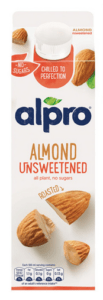
Overview – a blend of almonds and water. Contains a bunch of vitamins like D and B12. It has a slight pale yellow colour and is quite watery. Comes in fresh and UHT varieties. Watch out for sweetened versions as they contain added sugar. Always only pick up the unsweetened cartons.

Alpro Fresh Roasted Almond Unsweetened Drink Alternative 1 Litre

Taste – Slight nutty flavour, but not overpowering.

Good with – tea, coffee, keto porridge and basically a general replacement for milk in cooking and baking.

Nutrition per 100ml – Energy 13kcal, Fat: 1.1g, Carbs: 0g, Fibre: 0.4g, Protein: 0.4g, Salt: 0.13g

Recommended product:

Alpro Almond Drink Unsweetened 1 litre – available in both fresh and UHT cartons. RRP is usually around £1.80 to £2.00, but it's always on offer somewhere at £1 or less. I stock up when it's that price and never buy it at 'full' price.

Coconut 'milk' drink

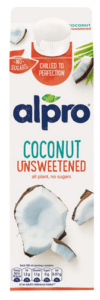
Alpro Coconut Unsweetened 1L

Overview – all parts of a coconut (milk, cream, water) are blended and mixed with water. Contains added vitamins and calcium. Available in both UHT and fresh varieties. As with almond, only pick up the unsweetened version.

Taste – Subtle coconut flavour, quite refreshing.

Good with – baking and cooking. Not so great in tea and coffee (but that's my opinion).

Nutrition per 100ml – Energy 14kcal, Fat: 1.2g, Carbs: 0g, Fibre: 0.1g, Protein: 0.1g, Salt: 0.07g

Recommended product:

Alpro Coconut Unsweetened 1 litre – available in both fresh and UHT cartons. RRP is usually around £1.80 to £2.00, but it's always on offer somewhere at £1 or less.

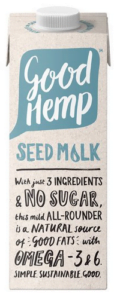
Hemp 'milk' drink

Overview – blend of hemp seeds and water, with added vitamins. It's starting to appear in more UK supermarkets but is usually quite expensive.

Taste – Quite bland with a subtle sweetness.

Good with – tea, coffee and baking. Can be used as milk replacement in most recipes.

Nutrition per 100ml – Energy 26kcal, Fat: 2.7g, Carbs: 0.1g, Fibre: 0g, Protein: 0.2g, Salt: trace

Recommended product:

Good Hemp Creamy Seed Drink 1 Litre – available in UHT cartons. It's usually around £2 per litre, so watch out for offers. You can expect the price to come down as it becomes more popular. This brand also does a barista version, but it contains added sugar, so avoid!

Cream

Cream in your coffee isn't that odd, but what about a splash in your tea? Don't knock it until you've tried it. It has very little carbs and has a good fat content. See my list of the best low carb keto creams here.

Milk replacements to avoid on keto

If you've been into a coffee shop recently you' may have noticed that they have a range of milk alternatives. However, most of them are no good for keto as they either contain naturally occurring sugars or have added sugar.

Oat 'milk' drink

The favourite hipster milk alternative at the moment. Made from oats, low in fat and with added calcium and vitamins. It's not great for a keto diet as it contains around 5.6g of carbs for the unsweetened version, and around 6.6g for the regular sweetened one. Avoid!

Soy 'milk' drink

Soy, one of the most versatile ingredients. The drink has been around for a while and is the most popular milk substitute. In part to the fact that it contains roughly the same amount of protein as cow's milk and is low in fat.

On paper, it looks great for keto. The unsweetened version has 0g of carbs per 100ml. However, soy is highly processed and contains a plant hormone called phytoestrogen, which could mess with your hormones (article here for more information). Last (but by no means least), not everyone processes soy well. It contains phytates and lectins, that can cause inflammation and leaky gut syndrome (article). Most people I know have reported similar intolerances…

Rice 'milk' drink

Made from a grain, enough said! It's very high in carbs at around 10g per 100ml. A no go for keto, so avoid it.

Other nut based drinks

Some brands have started to sell drinks made from hazelnuts and cashews, just to name a few. However, if you look at the carb count, they are usually upwards of 4-5g of carbs per 100ml, which is a bit high. Best to avoid them when you can, and settle for almond instead.

Conclusion

In summary, dairy milk is a no go for keto. Almond drink is the most popular and sold in most UK supermarkets. Just make sure you get the unsweetened version! If you're allergic to (or don't like) almonds, then take a look at coconut or hemp alternatives. Popular substitutes like oat, soya and rice are not keto friendly, so should be avoided where possible.

Can You Drink Skim Milk On A Low Carb Diet

Source: https://addtoketo.co.uk/keto-milk-what-are-best-low-carb-drink-alternatives/

Share:

The Scandinavian Diet Healthy With Low Carbs

The Scandinavian Diet Healthy With Low Carbs

swedish diet plan

Swedish Diet Plan: Are There Any Health Benefits?

An obsession with everything Scandinavian is an emerging worldwide trend. Cozy white-wall Danish interior design has become a pinnacle of minimalist luxury, and Nordic clothing style is gaining more and more attention among fashion bloggers and studios around the globe. Unsurprisingly, an interest in modern Scandinavian culture extends to the cuisine, particularly among those trying to shed excess pounds. A dietary plan named the Swedish diet is getting prominence in this context. Yet what is so Swedish in this diet, and can the rules it proposes precipitate weight loss and yield health benefits?

BetterMe

What Is The Swedish Diet?

In fact, this is quite a complex question. The dietary plans circulating under the names «Swedish» and «Nordic» are remarkably different. The Nordic diet is a sustainable program resembling the Mediterranean diet. It includes all the necessary food groups and focuses on traditional and local fruits, vegetables, and seafood. When it comes to limitations, the Nordic diet limits red meat and bans unhealthy fats, added sugars, sweetened beverages, processed meats, and fast foods. This is a lifestyle diet, which effectively supports steady and sustainable weight loss, as well as overall health improvement ( 5 , 2 , 1 ). It focuses on good proteins and increases the number of fiber in your daily menu as well, all essential contributors to weight loss ( 3 . 4 ).

The Swedish Diet is an entirely different story. It promises you 7 to 20 pounds weight loss in just two weeks, and has significantly more limitations. Moreover, it is claimed to skyrocket your metabolism, so you won't gain your weight back in two years. In contrast to the Nordic diet, this is a short-term plan designed specifically for weight loss, and it is highly recommended to call it quits once the second week is over.You are allowed to repeat this diet after 3 months.

Read More: Different Types Of Diets: The Lowdown On The Most Talked-About Weight Loss Strategies

swedish diet plan

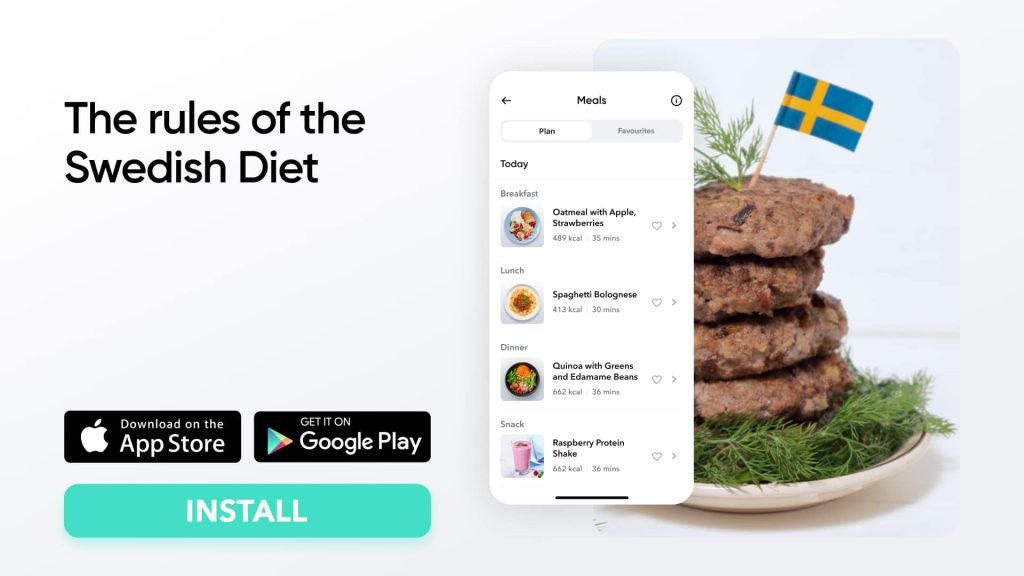
The Rules Of The Swedish Diet

  • Do not drink tea, coffee and soft drinks (with sugar).
  • Drink 2 liters of water per day.
  • Do not continue the diet for more than 13 days, do not stop dieting before the 6th day passes
  • Do not repeat the diet in less than three months,
  • Lunch and dinner can be changed in the same day.

swedish diet plan

Which Foods Are Allowed On The Swedish Diet?

  • Meat, chicken, turkey, fish and shellfish
  • Organic eggs
  • Vegetables growing on the soil: cabbage, cauliflower, mushroom, cucumber, onion, pepper, tomato, broccoli, brussels sprouts, asparagus, pumpkin, eggplant, olives, spinach, lettuce, avocado etc.
  • Natural dairy products: yogurt, butter, sour cream, cream cheese, whole-fat cheeses and so on
  • Dried nuts: walnuts, almonds, sunflower seeds, pumpkin seeds, nuts, cashews (within limits) etc.
  • Drinks: water (at least 2 liters), coffee and tea (without sweeteners – no sugar!)
  • Vegetable oils
  • Some grains like oats and rye.

Which Foods Are Not Allowed On The Swedish Diet?

  • Sodas, sugary juices and beer
  • Skimmed and normal milk as it may contain high amounts of milk sugar
  • Refined oils and margarine
  • Desserts: cakes, candies, cakes, chocolates, ice creams, granola bars, artificial sweeteners and high-sugar dairy products
  • Muesli, bread, pasta, rice, potatoes, french fries, chips, porridge, legumes and lentils, as the content of carbohydrates is high.

BetterMe is your fast-track ticket to a long-lasting weight loss! Tailor your fitness journey and maximize your results with just a couple of swipes!

swedish diet plan

Swedish Diet Meal Plan

You might follow this meal plan if you wish to stick to the Swedish Diet.

Day 1:

  • Breakfast: a cup of coffee without sugar
  • Lunch: A tomato, half a portion of boiled spinach and 2 eggs
  • Dinner: 200 grams of steak and olive oil and lemon salad in the evening

Day 2:

  • Breakfast: A cup of coffee without sugar
  • Lunch: 100 grams of yogurt and 1 slice of salami
  • Dinner: Up to 200 grams steak salad and one fruit

Day 3:

  • Breakfast: A cup of coffee without sugar
  • Lunch: 1 tomato, half a portion of boiled spinach and a fruit
  • Dinner: A slice of salami, salad, 2 boiled eggs

Day 4:

  • Breakfast: A cup of coffee without sugar and a slice of toast
  • Lunch: One boiled egg, 1 carrot, 30 grams lean cheese
  • Dinner: A bowl of yogurt, half a glass of orange juice

Day 5:

  • Breakfast: Carrot juice in the morning with lemon
  • Lunch: 200 grams of steamed lemon fish
  • Dinner: Up to 200 grams steak, broccoli salad

BetterMe

Day 6:

  • Breakfast: A cup of coffee without sugar
  • Lunch: 2 boiled eggs 1 carrot
  • Dinner: 200 grams of unleatherless cooked chicken and salad

Day 7:

  • Breakfast: A cup of sugar-free tea
  • Lunch:200 grams of grilled meat and 1 piece of fruit
  • Dinner: Drinking is not permitted in the evening

Day 8:

  • Breakfast: A cup of coffee without sugar
  • Lunch: One tomato, half a small portion of boiled spinach and 2 boiled eggs
  • Dinner: Maximum 200 grams steak, olive oil, lemon, salad

swedish diet plan

Day 9:

  • Breakfast: A cup of coffee without sugar
  • Lunch: 100 grams of yogurt and a slice of salami
  • Dinner: Up to 200 grams steak, salad and 1 piece of fruit

Day 10:

  • Breakfast: A cup of coffee without sugar and a slice of toast
  • Lunch: A piece of fruit and tomato and a portion of boiled spinach
  • Dinner: A slice of salami, salad, 2 boiled eggs

Day 11:

  • Breakfast: A cup of coffee without sugar and a slice of toast
  • Lunch: One boiled egg, 1 piece of carrot, 30 grams of lean cheese
  • Dinner: Half a glass of orange juice, a bowl of yogurt

Read More: Does Coffee Break A Fast: Science-Backed Take On Coffee And Its Effect On Fasting

swedish diet plan

Day 12:

  • Breakfast: Carrot juice
  • Lunch: 200 grams of steamed lemon fish
  • Dinner: Up to 200 grams steak, broccoli salad

Day 13:

  • Breakfast: A cup of coffee without sugar 2 boiled eggs
  • Lunch: 2 solid eggs, 1 grated carrot
  • Dinner: 200 grams of unleatherless cooked chicken and salad

Conclusion

As you can see, the Swedish diet is more restrictive than the Nordic one, yet you might blast away your pounds much faster is that is what you're shooting for. Still, it is an absolute must to consult your doctor before embarking on the Swedish diet. For instance, it is not recommended for people over 35 years old and those who suffer from serious diseases. Highly restrictive and very low-calorie diets like this one come with the risk of creating nutritional deficiencies and other serious health problems if not carefully monitored with the help of a licensed medical professional. In contrast, the Nordic Diet, while doesn't promise instantaneous weight loss, is a scientifically-proven way to slim down without taking a toll on your health. It is highly recommended for everyone who wishes turn their eating habits around and and build a new healthy lifestyle from the ground up. Remember to combine your diet with the workouts aimed at weight loss to achieve even more impressive results.

BetterMe

DISCLAIMER:

This article is intended for general informational purposes only and does not address individual circumstances. It is not a substitute for professional advice or help and should not be relied on to make decisions of any kind. Any action you take upon the information presented in this article is strictly at your own risk and responsibility!

SOURCES:

  1. Effects of a healthy Nordic diet on cardiovascular risk factors in hypercholesterolaemic subjects: a randomized controlled trial (NORDIET) (2011, ncbi.nlm.nih.gov)
  2. Health effect of the New Nordic Diet in adults with increased waist circumference: a 6-mo randomized controlled trial (2014, ncbi.nlm.nih.gov)
  3. Optimizing Protein Intake in Adults: Interpretation and Application of the Recommended Dietary Allowance Compared with the Acceptable Macronutrient Distribution Range (2017, ncbi.nlm.nih.gov)
  4. The impact of soluble dietary fibre on gastric emptying, postprandial blood glucose and insulin in patients with type 2 diabetes . (2014, ncbi.nlm.nih.gov)
  5. What is a healthy Nordic diet? Foods and nutrients in the NORDIET study (2012, ncbi.nlm.nih.gov)

A. Porter

Alex is a professional writer who takes pride in helping people achieve their health goals and motivates others to start taking care of their bodies through exercise and proper nutrition. Being a part of the BetterMe Team, he is extremely inspired by our mission to promote a healthy lifestyle, which includes not only physical, but also mental well-being. Alex emphasizes the importance of safe yet efficient workouts and healthy diets. His main goal is to make more people realize how essential these aspects are, and how drastically they can improve their lives.

K. Fleming

I am a U.S. educated and trained Registered Dietitian (MS, RD, CNSC) with clinical and international development experience. I have experience conducting systematic reviews and evaluating the scientific literature both as a graduate student and later to inform my own evidence-based practice as an RD. I am currently based in Lusaka, Zambia after my Peace Corps service was cut short due to the COVID-19 pandemic and looking for some meaningful work to do as I figure out next steps. This would be my first freelance project, but I am a diligent worker and quite used to independent and self-motivated work.

Kristen Fleming, MS, RD, CNSC

The Scandinavian Diet Healthy With Low Carbs

Source: https://betterme.world/articles/swedish-diet-plan/

Share:

Best Grain To Eat On Low Carb Diet

Best Grain To Eat On Low Carb Diet

8 Healthy, Low-Carb Grains For Low-Carb Dieters

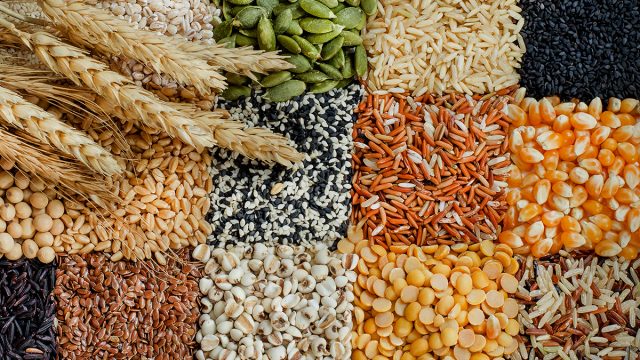
You don't have to avoid grains on a low-carb diet. Low-carb grains are rich in fiber and nutrients that serve to improve health and encourage weight loss.

February 7, 2020

different types of grains
Shutterstock

Additional reporting by Kelsey Hampton, MS, RDN, LD, CSSD

All low-carb foods, including low-carb grains, have become increasingly popular over recent decades due to the rise in low carb diets, like Atkins in the early 2000s and Keto in more recent years.

Traditionally, low carb dieters avoid fruit, starch, and grain in efforts to minimize carbs as much as possible; however, you don't have to forgo all carb-containing foods when following a low-carb diet. Grains, in particular, are a class of carbohydrate-rich foods that are worth including in your diet.

Grains do contain carbohydrates, but they also hold valuable fiber that cancels out carbohydrate grams and leaves you with fewer digestible carbs or net carbs. For example, if a food contains 30 grams of carb and 5 grams of fiber, there are actually only 25 grams of digestible carbohydrate available in that food.

Eating low-carb grains is a win-win: you keep carbs minimized while getting a good dose of fiber that serves many functions in the body, from digestive health to improving satiety.

These 8 healthiest low-carb grains are worth keeping in your low-carb diet.

All nutrition information is per ½ cup cooked.

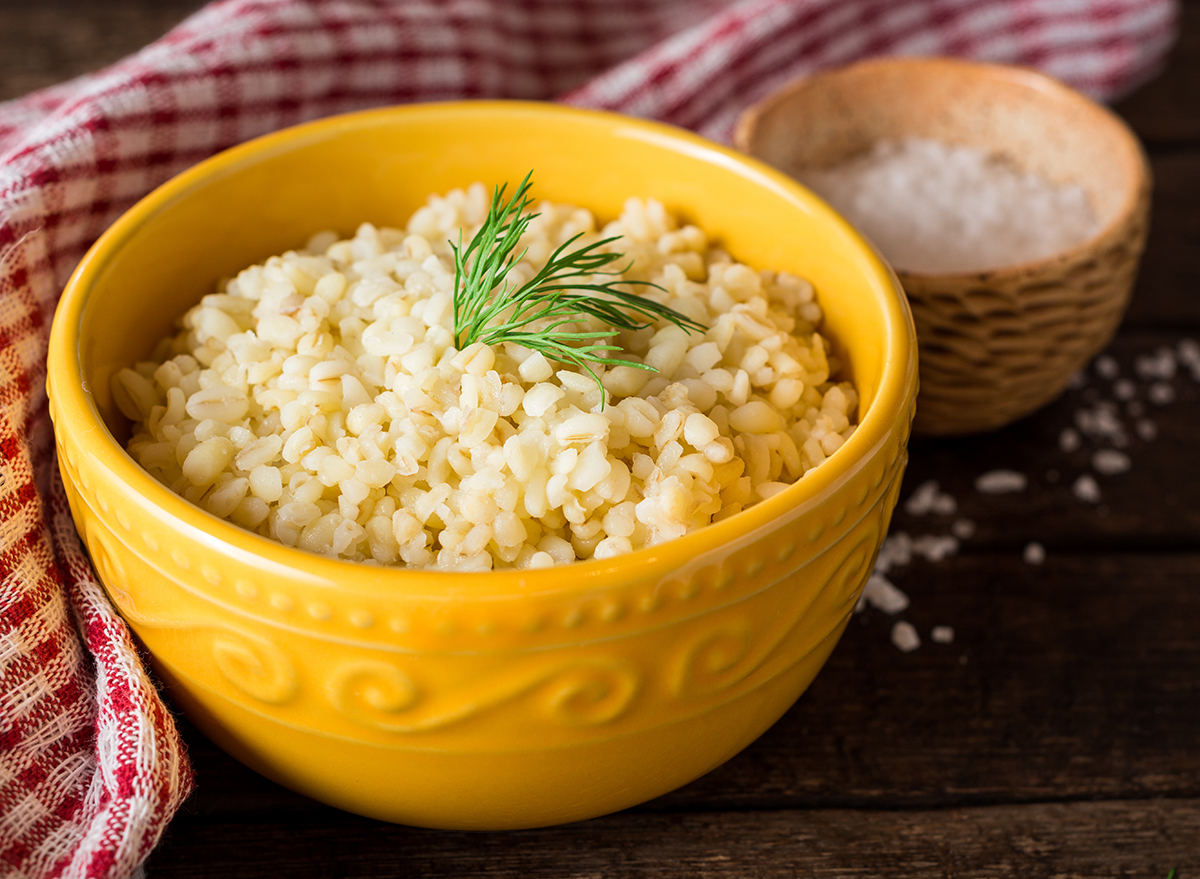
bulgur cooked in yellow ceramic bowl
Shutterstock

Bulgur makes the top of the list as the grain with the least amount of carb per serving. While a great option for those monitoring carbs, bulgur does contain wheat so it is not ideal for those with wheat sensitivity, allergy, or Celiac disease. Check out several gluten-free grains below!

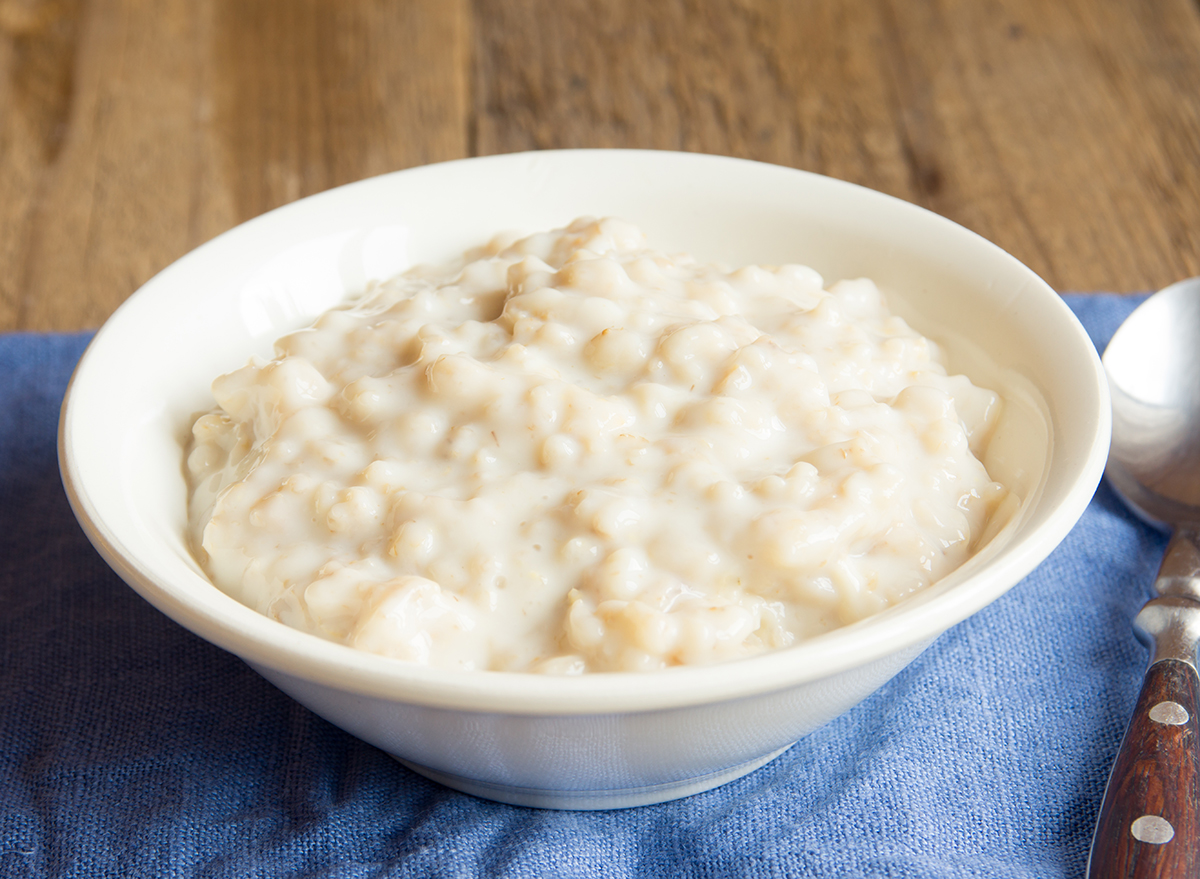
plain oatmeal
Shutterstock

A super versatile grain that can be enjoyed sweet, savory, blended, or as overnight oats. Try topping your oats with fruit, cinnamon, and nuts if you prefer sweet, or go savory with a soft-boiled egg and green onion to top your oatmeal. You can also blend oats into your favorite homemade smoothie or smoothie bowl!

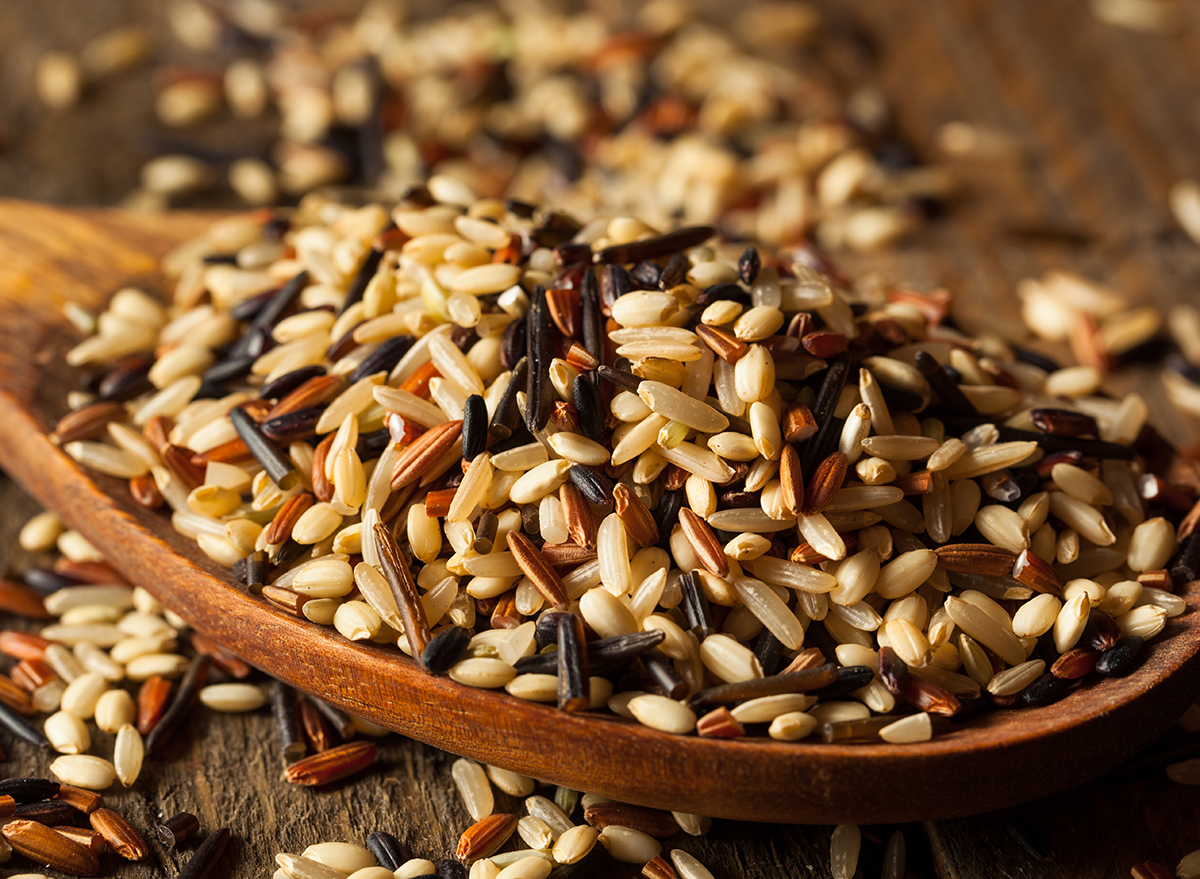
wild rice uncooked on spoon
Shutterstock

With less carb than its counterpart's white and brown rice, wild rice is also a better source of antioxidants and protein. Compared to other rice, wild rice tends to have a stronger flavor and more firm texture.

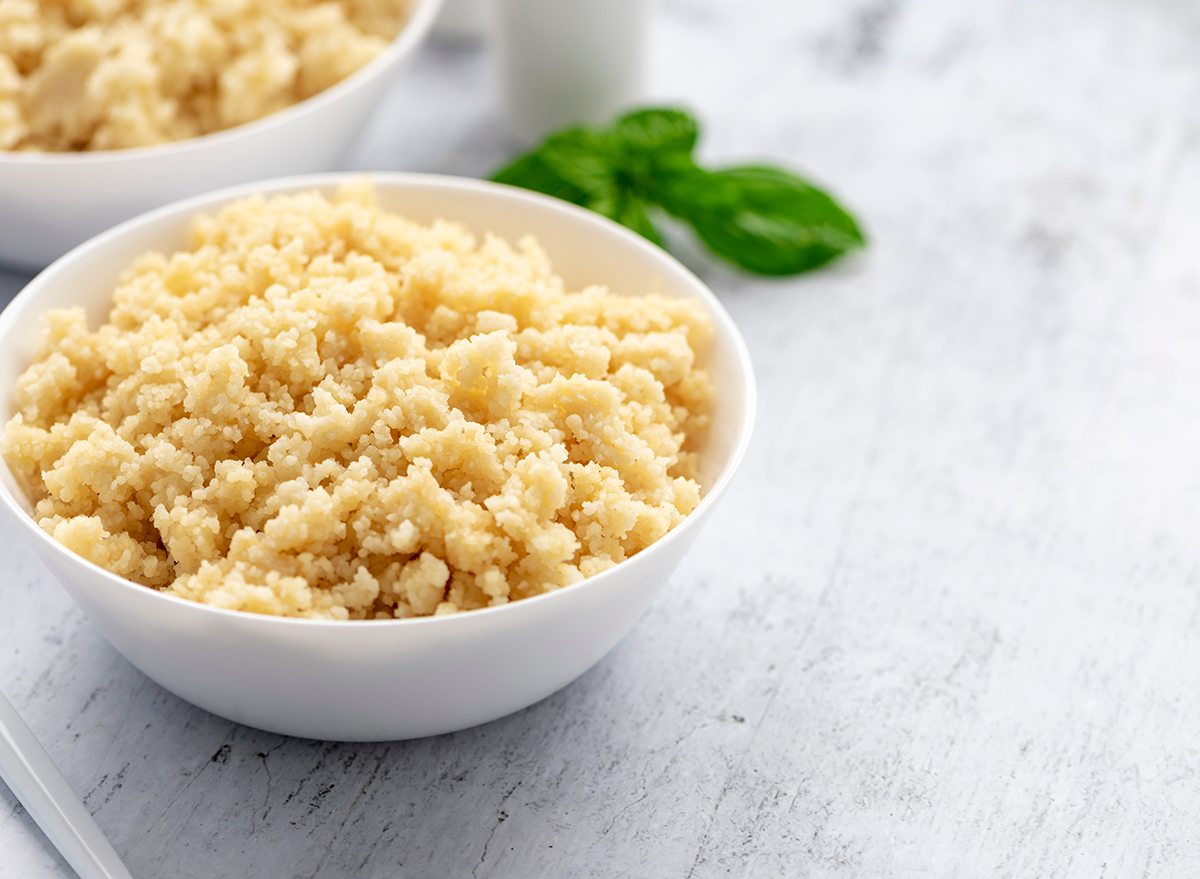
couscous cooked in white ceramic bowl
Shutterstock

Another gluten-containing grain on our list, couscous contains selenium, an antioxidant that can protect your cells from damage. Selenium also plays a roll in thyroid health contributing to the proper functioning of this gland.

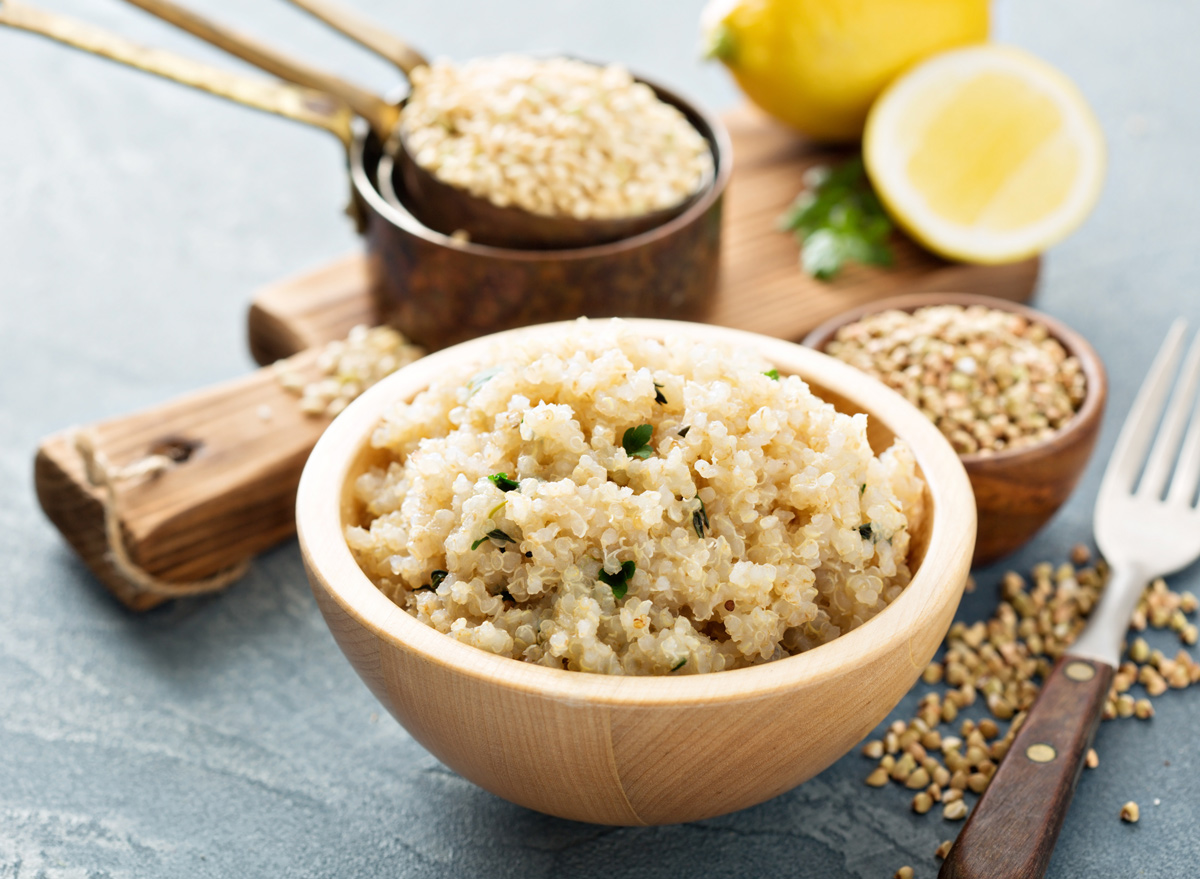
Cooked Quinoa
Shutterstock

At 4 grams of protein per half cup, quinoa is the most protein-dense grain on our list. Combine it with beans or lentils for additional plant protein, use it as a side dish, top a salad or combine with banana and honey for a sweet meal or snack option.

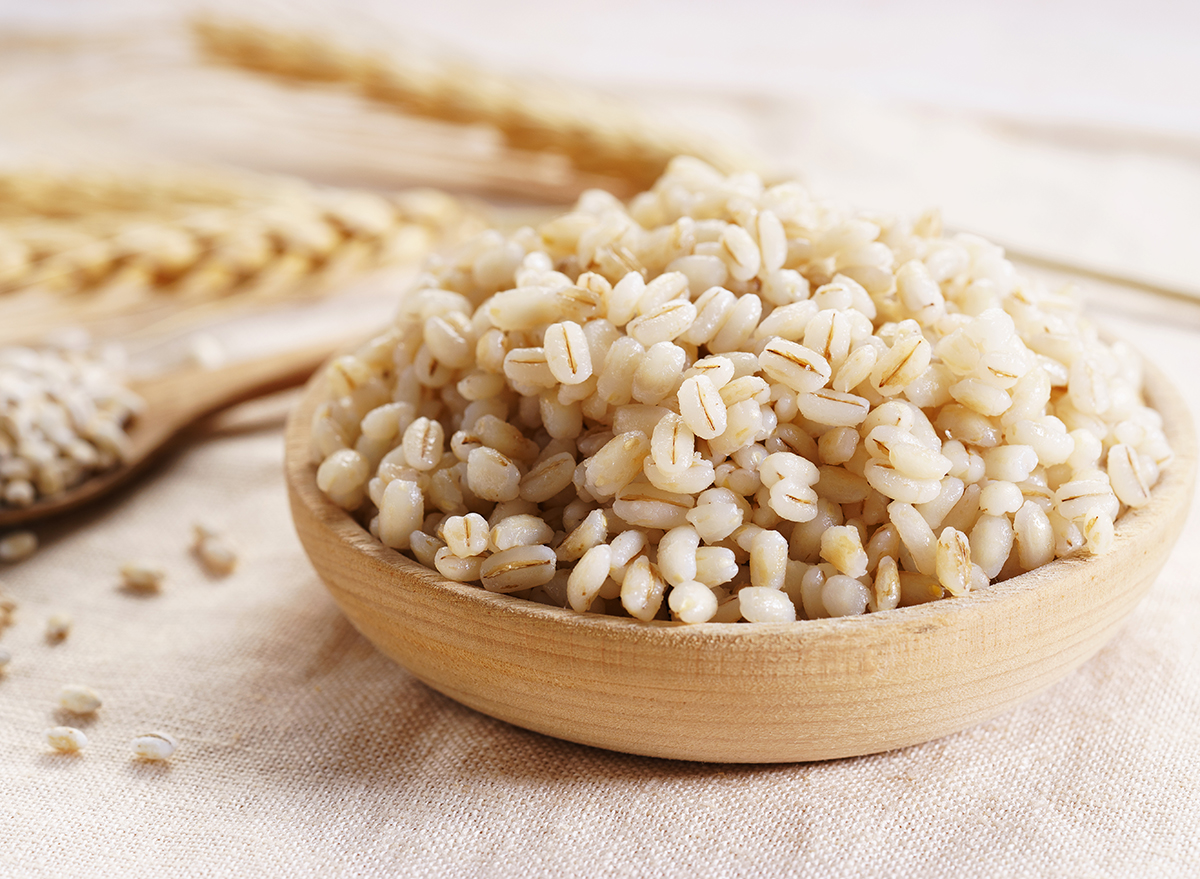
cooked barley in wooden bowl
Shutterstock

While commonly associated with the production of beer, barley is a wheat product and contains gluten. Add barley to easy dinner recipes via your favorite soup for a fiber boost or make a chilled salad by combining your favorite raw veggies, cheese and vinaigrette dressing with cooked barley.

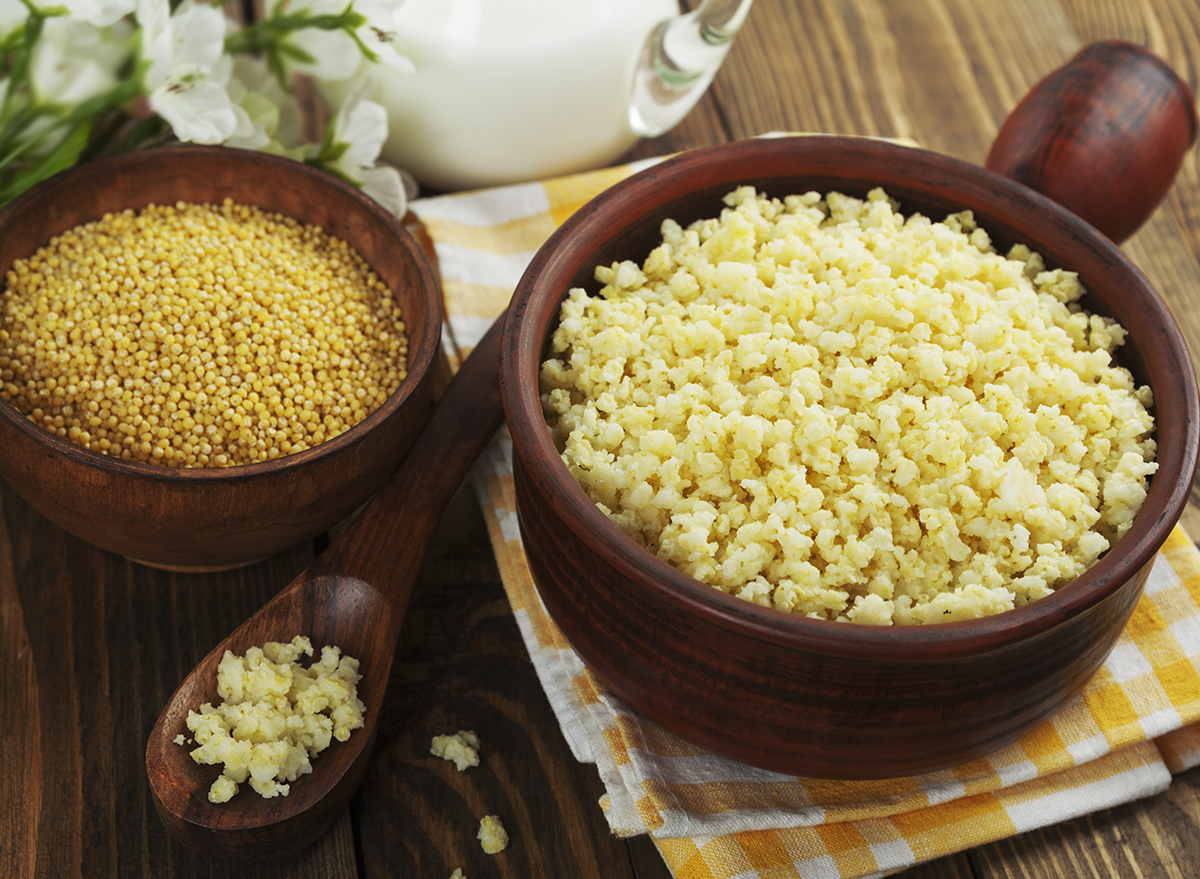
cooked millet
Shutterstock

Another protein-packed grain providing 3 grams of protein per half cup, millet is also known for its magnesium content, which aids in bone health and muscle function. Additional nutrients in millet include iron and zinc.

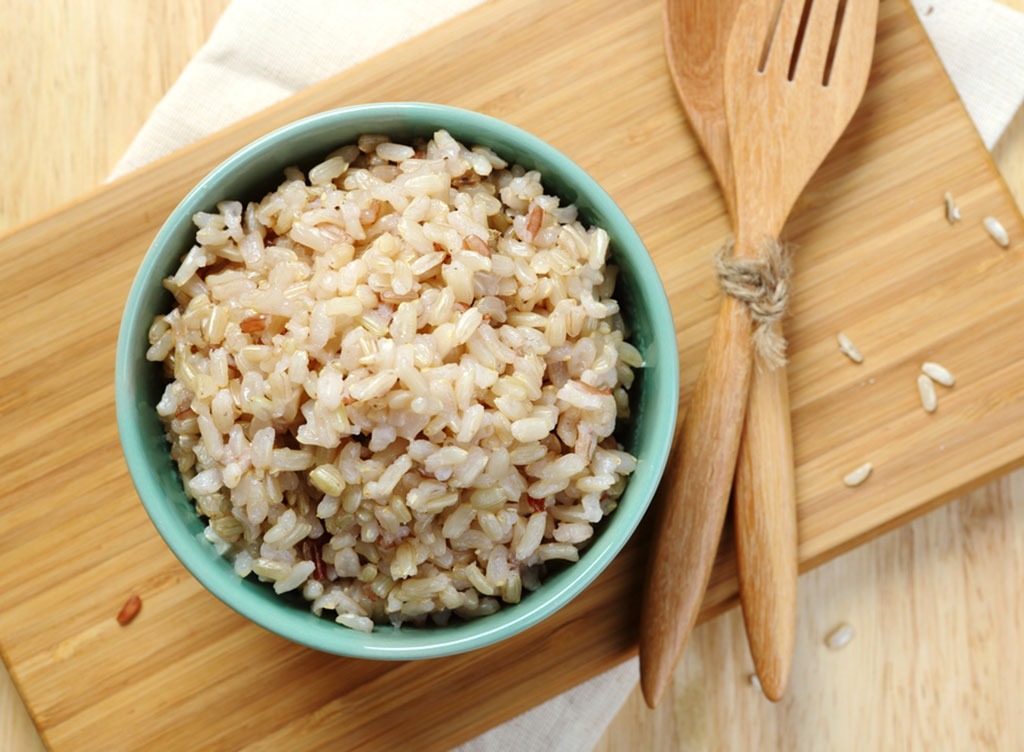
brown rice
Shutterstock

If the rest of these grains are unfamiliar, you can fall back to trusty brown rice as your go-to low-carb grain. Cook up a large batch to meal prep for the week and season to complement your entrée. Try combining with salsa for a taco bowl, mix with soy sauce for stir-fry or use as a base for your favorite curry.

Best Grain To Eat On Low Carb Diet

Source: https://www.eatthis.com/low-carb-grains/

Share:

Blog Archive

banner